
Complex surgery.
Small incisions.
Faster recovery.
Dr. Kader is one of the most experienced robotic gynecologic surgeons in Rhode Island, bringing precision, control, and minimal invasiveness to procedures that once required large open incisions.
*After robotic approach confirmed intraoperatively. Conversion always remains available as a safety option.
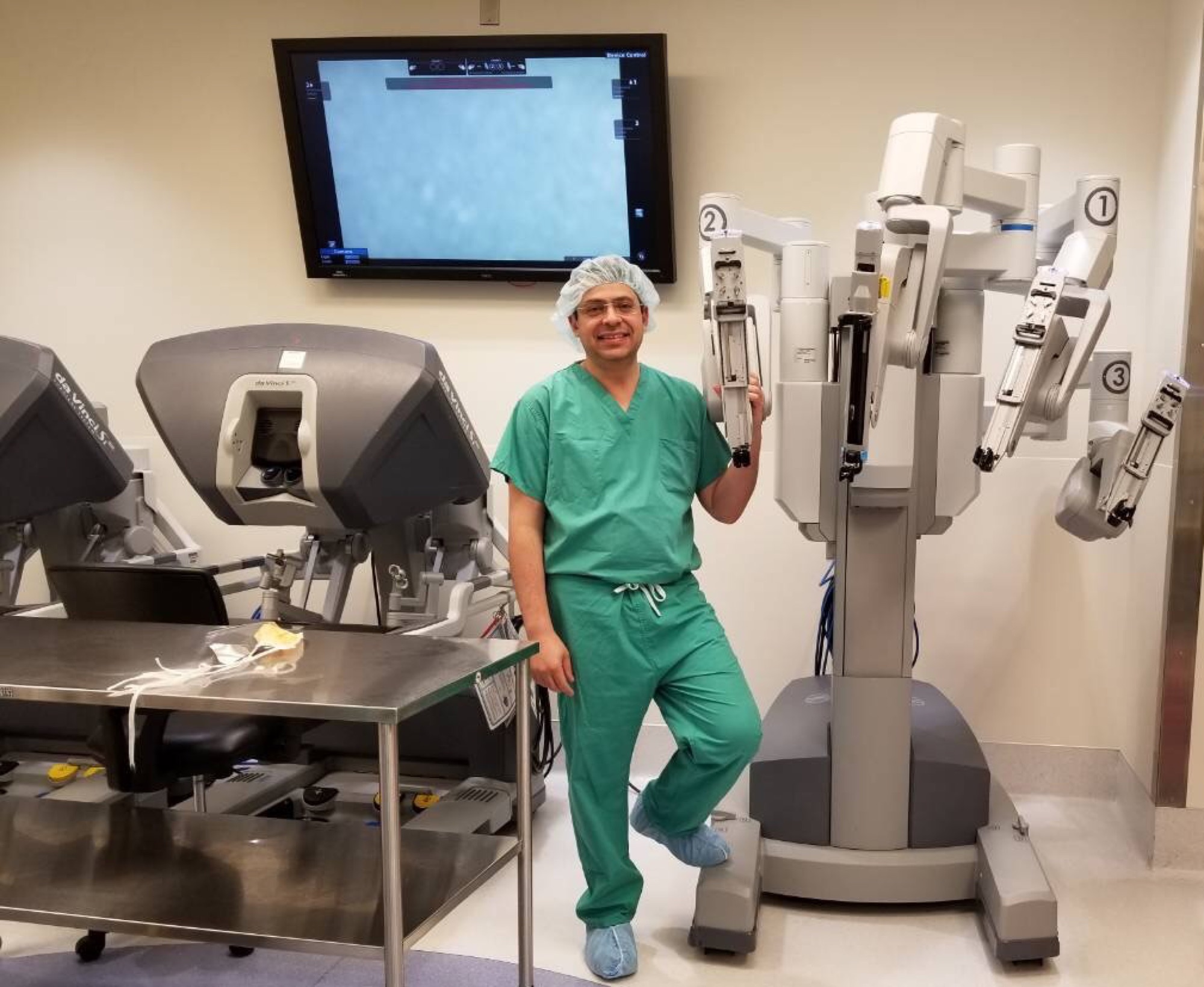
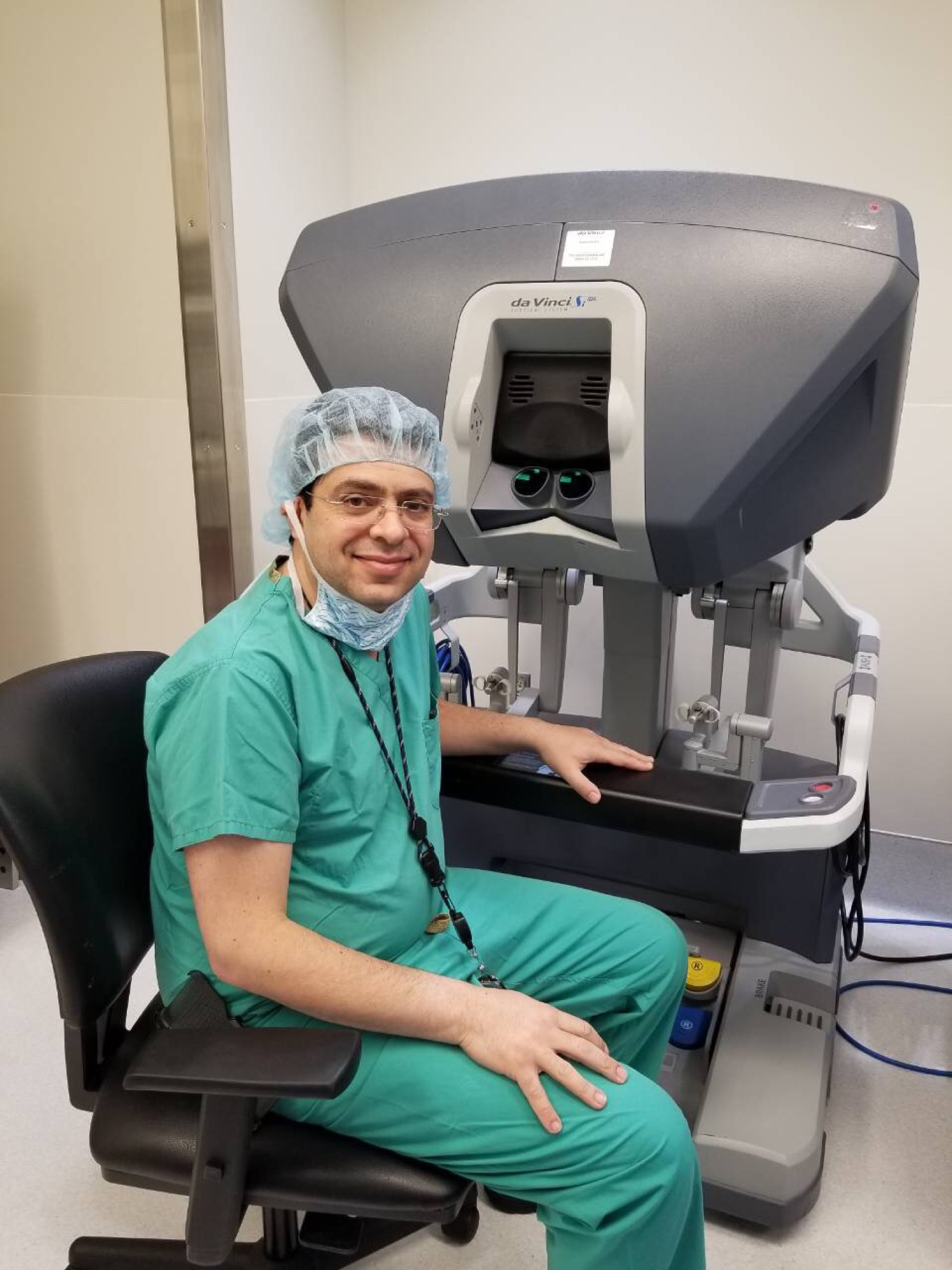
What is robotic surgery?
Robotic surgery does not mean the robot operates independently. Dr. Kader controls every movement from a surgical console, translating his hand gestures into precise micro-movements of the instruments inside your body. The da Vinci system adds capabilities that hands alone cannot replicate.
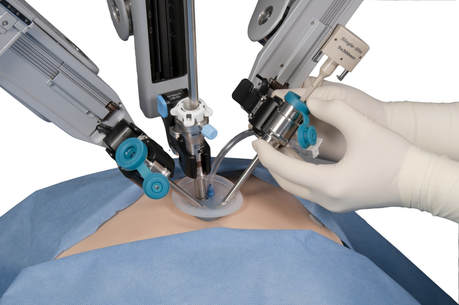
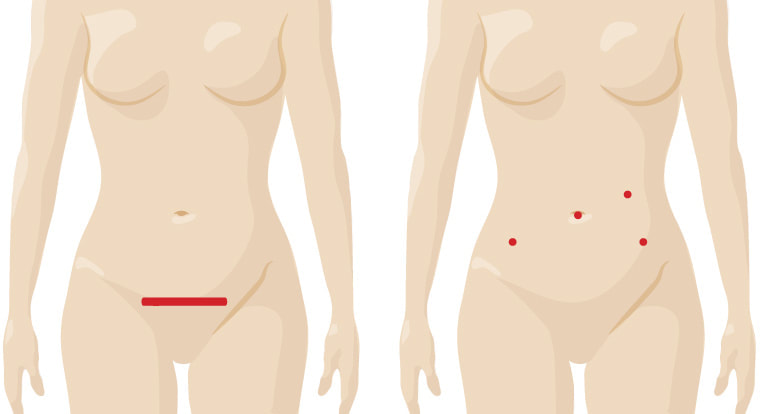
Small incisions
Typically a few keyhole-sized openings, compared to a single large incision required for open surgery — less disruption to surrounding tissue.
Magnified 3D HD vision
A high-definition 3D camera provides a detailed, magnified view of the operative field — greater visual clarity than the naked eye in open surgery.
Wristed instruments
Instruments that bend and rotate with a far greater range of motion than the human wrist, enabling precise maneuvers in confined spaces that standard laparoscopy cannot reach.
Better access & visualization
Improved access to the operative site — especially in complex cases involving scar tissue, adhesions, or larger anatomy — compared to both open and standard laparoscopic approaches.
Conditions treated with robotic surgery
Many gynecologic conditions that once required large incisions can now be treated robotically. Dr. Kader evaluates each patient individually to determine whether a robotic approach is appropriate.
Robotic procedures offered
Dr. Kader performs the full range of robotically assisted gynecologic procedures — from routine to complex. He is also trained in single-site robotic surgery, which uses a single incision at the navel to achieve a virtually scarless result in carefully selected candidates.
Hysterectomy
Removal of the uterus, with or without the ovaries — appropriate for fibroids, abnormal bleeding, prolapse, and other indications. Robotic access reduces complications compared to open approaches.
Myomectomy
Removal of uterine fibroids while preserving the uterus — an option for patients who wish to retain fertility or prefer uterine preservation.
Cystectomy
Removal of ovarian cysts with the goal of preserving healthy ovarian tissue whenever possible.
Lysis of Adhesions & Endometriosis Excision
Careful release of scar tissue and complete surgical excision of endometriotic lesions, aided by the magnification and precision of the da Vinci system.
Single-Site Robotic Surgery
A single small incision placed at the navel — virtually undetectable once healed. Available for selected patients and procedures; candidacy is assessed at consultation.
When robotic surgery helps most
Robotic surgery is particularly well-suited as an alternative to open surgery in the following scenarios. If you've been told you need open surgery, it's worth asking whether a robotic approach is possible.
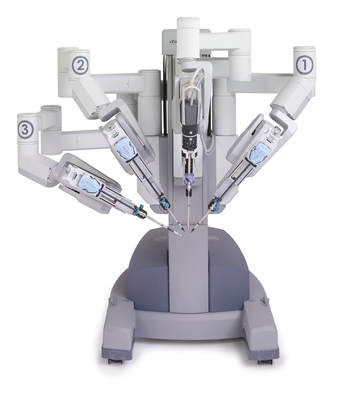
Advantages of a minimally invasive approach
Published clinical research has consistently shown that minimally invasive gynecologic surgery — including robotic-assisted approaches — is associated with better outcomes than traditional open surgery for most patients.
- Less postoperative pain Smaller incisions result in less tissue disruption and reduced pain compared to open surgery.
- Fewer complications Lower overall complication rates compared to open surgery in appropriately selected patients.
- Less blood loss Precise instrumentation and enhanced visualization reduce intraoperative bleeding, lowering the need for transfusion.
- Shorter hospital stay Most robotic procedures require overnight or same-day admission, compared to multi-day hospitalizations for open surgery.
- Lower wound-infection risk Smaller incisions mean less exposed surface area and a lower risk of surgical site infection.
- Quicker return to normal activity Patients typically resume daily activities within days to a few weeks, rather than the 6–8 weeks commonly needed after open surgery.
Sources (published research)
- Paraiso MF, et al. "Laparoscopic compared with robotic sacrocolpopexy for vaginal prolapse." Obstetrics & Gynecology. 2011. PubMed 21934442
- Nezhat C, et al. "Robotic-assisted laparoscopy vs. conventional laparoscopy for the treatment of endometriosis." JSLS. 2010. PubMed 21902958
- Wright JD, et al. "Robotically assisted vs laparoscopic hysterectomy among women with benign gynecologic disease." JAMA. 2013. PubMed 23512062
- Iavazzo C, Gkegkes ID. "Single-site port robotic-assisted hysterectomy: a systematic review." Archives of Gynecology & Obstetrics. 2014. PubMed 24838678
Common questions
Every case is different. These answers reflect general expectations for robotic gynecologic surgery — Dr. Kader will walk you through specifics at your consultation.
What is recovery like after robotic surgery?
Recovery varies by procedure, but most patients return home the same day or after a single overnight stay. Mild soreness and fatigue are common in the first week. For many robotic procedures — including hysterectomy and myomectomy — patients resume light activity within a few days and return to desk work within one to two weeks. Full recovery typically takes two to four weeks, compared to six to eight weeks following open surgery. Dr. Kader will give you a procedure-specific recovery timeline at your consultation.
Will my case be converted to open surgery?
Over the past five years, Dr. Kader has maintained a conversion rate to open surgery of less than 0.5% in cases where a robotic approach was confirmed intraoperatively. Conversion always remains available as a safety option — patient safety is never compromised to preserve a minimally invasive approach. In rare cases, a small additional incision may be needed to remove a surgical specimen; this is distinct from a full conversion to open surgery.
How do I know if I'm a candidate for robotic surgery?
Candidacy depends on your diagnosis, anatomy, prior surgeries, and overall health. The best way to find out is to schedule a consultation. If you've already been told you need surgery — including if another provider has recommended open surgery — Dr. Kader is happy to evaluate whether a robotic approach is appropriate in your case.
What is single-site robotic surgery?
Single-site robotic surgery uses a single small incision placed at the navel, through which all instruments are inserted. Once healed, the incision is concealed within the natural contour of the belly button — virtually undetectable. Not every procedure or patient is a candidate; suitability is assessed at consultation based on anatomy, procedure type, and patient history.
Where does surgery take place?
Robotic gynecologic surgeries are performed at Kent Hospital in Warwick, RI. Venus OB-GYN also holds affiliations with Women & Infants Hospital in Providence. Preoperative consultations and follow-up visits take place at our office at 1150 Reservoir Avenue, Suite 300, Cranston, RI.
Does robotic surgery cost more, and is it covered by insurance?
Most major insurance plans cover robotic-assisted gynecologic surgery when it is medically indicated — the same coverage criteria as open or laparoscopic surgery. In many cases, the shorter hospital stay offsets any facility premium. Our team will verify your benefits prior to scheduling. Call us at 401-223-2828 with any insurance questions.
Want to learn more about the da Vinci system?
Intuitive Surgical, the maker of the da Vinci robotic system, has detailed resources for patients — including procedure videos, surgeon finder, and outcome data.
Visit the da Vinci Patient Site ↗Wondering if you're a candidate?
Schedule a consultation with Dr. Kader to discuss your options. Even if you've been advised to have open surgery elsewhere, a second opinion is always worthwhile.